

IPL Pigmentation Care
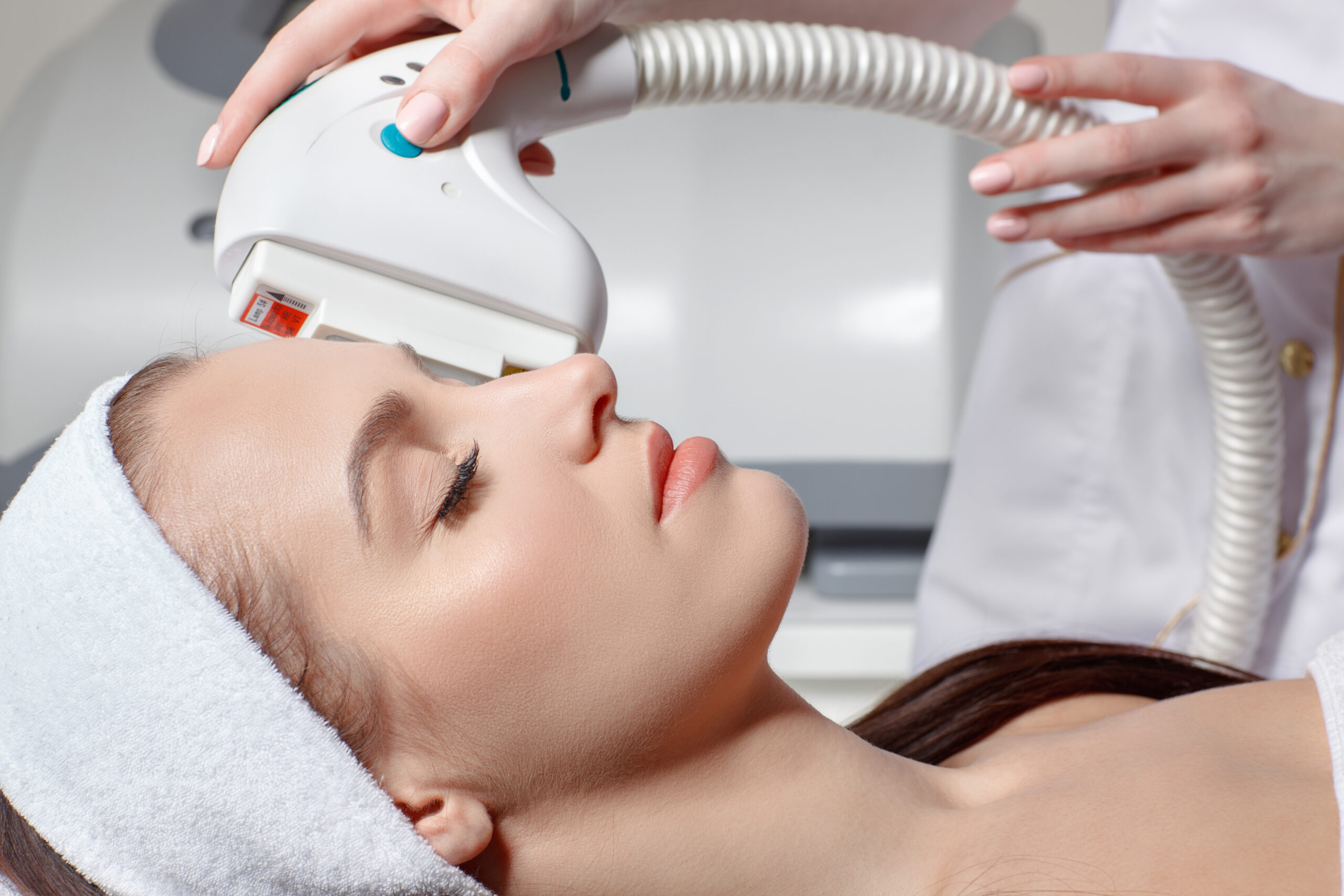
Reduce pigmentation caused by sun exposure, ageing, or hormonal changes and restore a more even, radiant complexion.
Pigmentation is one of the most common skin concerns. It may develop as a result of sun exposure, the natural ageing process, hormonal changes, or post-inflammatory skin changes. Pigment spots can make the skin tone appear uneven and leave the complexion looking tired.
IPL is an effective and gentle light-based procedure that helps reduce the appearance of superficial pigmentation and improve overall skin tone without a long recovery period. The procedure is suitable for both the face and other areas where pigmentation commonly appears.
Before the procedure, a specialist assesses your skin condition and the type of pigmentation before creating a personalised skincare plan to achieve the best possible results.
Why Do Pigment Spots Appear?
Pigment spots develop when certain areas of the skin produce more melanin than usual. This may be caused by:
- UV exposure;
- hormonal changes;
- the natural ageing process;
- post-inflammatory skin changes.
Not all pigmentation is the same. The type, depth, and cause of pigmentation influence both the most suitable procedure and the expected results. For this reason, every IPL procedure begins with a consultation with a skincare specialist.
How Does IPL Help Reduce Pigment Spots?
IPL (Intense Pulsed Light) uses broad-spectrum pulses of light that target excess melanin within the skin.
The treated pigmentation gradually darkens before naturally fading as part of the skin’s renewal process.
As a result of the procedure:
- skin tone becomes more even;
- the complexion looks fresher;
- pigment spots become less noticeable.
IPL is particularly suitable for reducing superficial pigmentation caused by sun exposure and age-related skin changes.
What Skin Concerns Can IPL Improve?
An IPL procedure may be suitable if you would like to reduce the appearance of:
sun spots;
age spots;
freckles;
superficial post-inflammatory pigmentation;
uneven skin tone.
If the pigmentation is deeper or related to melasma, a specialist will assess your skin and, if necessary, recommend a more suitable procedure or another solution.
How Does the Procedure Work?
Before the procedure, the skin is cleansed and a cooling gel is applied to the target area.
The IPL device then delivers carefully controlled pulses of light to the pigmented areas. During the procedure, most clients experience a gentle warming sensation or mild tingling, which is generally well tolerated.
Depending on the treatment area, the procedure usually takes between 15 and 45 minutes.
Immediately afterwards, the skin may appear slightly red or feel more sensitive. These reactions are temporary and usually disappear within a few hours.
When Will Results Be Visible?
After the procedure, pigment spots may become darker for a few days. This is a normal part of the skin’s natural renewal process.
Over the following days, the darkened pigmentation gradually fades, revealing a clearer, more even-looking complexion.
The first visible improvements can usually be seen within 1–2 weeks after the procedure.
How Many Procedures Are Needed?
The number of procedures required depends on the type and depth of pigmentation, as well as your skin’s individual characteristics.
Many clients notice visible improvements after the first procedure. However, for the best possible results, 2–8 procedures are usually recommended at intervals of approximately 3–4 weeks.
Your specialist will create a personalised skincare plan during your consultation.
What Affects the Results?
The results of the procedure depend on several factors, including:
the type and depth of pigmentation;
your natural skin tone;
following sun protection recommendations after the procedure;
completing the recommended course of procedures.
Using a broad-spectrum SPF 50 sunscreen every day helps maintain the results for longer and reduces the risk of new pigment spots developing.
Why Can Pigment Spots Return?
Even after a successful IPL procedure, new pigment spots may develop over time, especially if the skin is frequently exposed to UV radiation.
Daily use of SPF 50 sunscreen helps protect the skin, maintain the results for longer, and reduce the risk of new pigmentation appearing.
Preparing for Your Procedure
To achieve the best possible results, we recommend that you:
- avoid sun exposure and tanning for at least two weeks before the procedure;
- do not use self-tanning products on the area to be treated;
- apply SPF 50 sunscreen every day;
- inform your specialist about any medications you are taking and any recent aesthetic procedures.
If you have any questions about whether IPL is suitable for you, your specialist will be happy to discuss this during your consultation.
After Your Procedure
Following your IPL procedure, we recommend that you:
- use soothing and hydrating skincare products;
- avoid sun exposure and tanning for at least two weeks;
- apply SPF 50 sunscreen every day;
- avoid saunas, hot baths, and intense physical activity for 24–48 hours;
- allow the darkened pigmentation to fade naturally without rubbing or exfoliating the area.
When Is IPL Not Suitable?
An IPL procedure may not be suitable if:
- you are pregnant or breastfeeding;
- you have an active skin infection or inflammation;
- you have a recent tan in the area to be treated;
- you are taking medication that increases sensitivity to light;
- you have been diagnosed with melasma or your specialist suspects melasma.
Your suitability for IPL care will be assessed during your consultation.
Book a consultation to find out whether an IPL procedure is suitable for your skin. Your skincare specialist will assess your skin and create a personalised skincare plan tailored to your individual needs.
| IPL Removal of pigments | Price |
|---|---|
| Face | 50 € |
| Forehead | 30 € |
| Nose | 30 € |
| Cheek | 30 € |
| Cheeks (both sides) | 40 € |
| Diameter of 3 cm ² | 30 € |